
The Consensus Was Clear
When this tablet launched, the early coverage was polite but cool. Reviewers noted the compromises. Forum threads predicted short software support, average battery aging, and a device that would feel dated inside of a year. Friends who follow tech more closely than I do told me not to get attached. The consensus was that it would be a temporary tool at best.
I bought one anyway. Not because I thought the critics were wrong about every detail, but because the price and the core feature set matched a specific job I needed filled. I put a strip of painter’s tape on it, gave it a number, and started using it as a normal household device instead of a protected review unit.
One year later the consensus looks less certain.
What the First Months Looked Like
The early experience matched some of the caution. The screen was good rather than great. Performance was adequate for reading, notes, video, and light multitasking, but it never felt snappy in the way higher-priced models do. Software updates arrived, yet they were not as frequent or as transformative as the best-supported tablets receive.
I logged the usual notes. Battery life started strong and then settled into a predictable daily pattern. The build felt solid enough that I stopped worrying about ordinary handling. Jonah used it for a stretch and returned it with the expected fingerprints and minor scuffs but no functional damage.
Nothing about the first three or four months suggested a disaster. Nothing suggested a hidden flagship either. It was simply a competent tool that stayed out of the way.
The Quiet Turning Point
Around the six-month mark most “will it fail” predictions start to show their teeth. Batteries decline. Software gaps appear. Small hardware irritations surface. This tablet kept doing the same ordinary jobs without adding new friction.
I still reached for it when I wanted to read for half an hour. It still made it through mixed evening use without forcing me to hunt for a charger. The charging port stayed tight. The buttons continued to click cleanly. Updates, while not generous, kept the system stable for the apps I actually used.
By nine months I realized I had stopped thinking of it as a temporary device. It had become one of the default options on the desk.
What Held Up Better Than Expected
A few areas quietly outperformed the early skepticism.
Battery aging was more gradual than the gloomier forecasts. Capacity dropped, as every battery does, but the decline stayed linear enough that daily use remained convenient. I never had to change my habits around it.
Software support was limited compared with the best brands, yet it proved sufficient for the workload I gave the tablet. The apps I rely on continued to run without the stuttering or breakage that can appear when a device is truly abandoned.
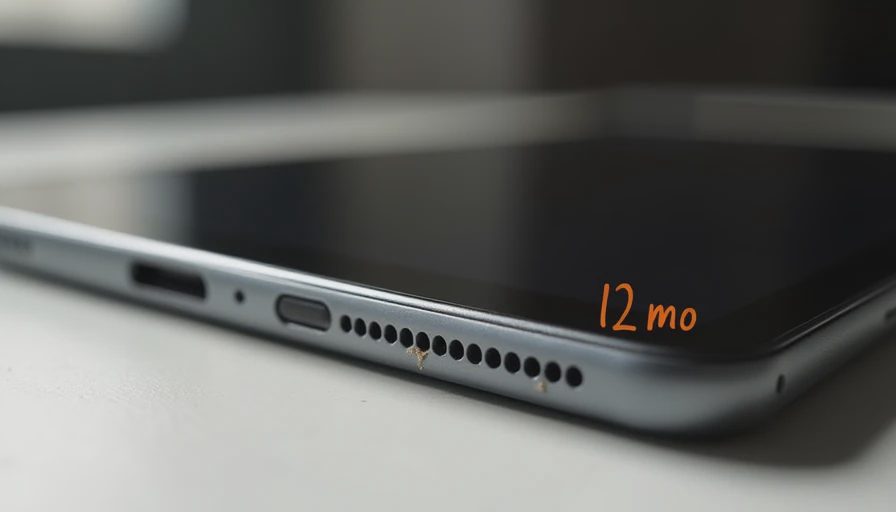
Build quality turned out to be one of its stronger quiet traits. After a year of normal handling, the frame, ports, and buttons showed only light cosmetic wear. No creaks, no looseness, no soft spots. That durability matched some more expensive tablets I have tracked and beat several in the same broad price neighborhood.
What Still Matches the Original Criticisms
Honesty requires the other side of the ledger. The screen remains merely good. Heavy creative work or demanding multitasking still shows the performance ceiling. Long-term software ambition is clearly not the priority for this model line. Anyone who needed those strengths would have been better served elsewhere.
The tablet did not “win” against higher-priced competitors. It simply refused to fail at the jobs it was given. That distinction matters more than the early narrative suggested.
The Lesson I Keep Replaying
Early consensus is useful data, not destiny. Devices that look compromised on a launch checklist can still deliver reliable daily service if their fundamentals are sound. Devices that dominate the first-week charts can still become annoying once real aging begins.
I have returned tablets that arrived with stronger reviews than this one received. I have kept tablets that arrived under lower expectations. The difference is rarely the flashiest spec. It is whether the device continues to feel like a tool or starts to feel like a chore.
This one stayed a tool.
Current Status After Twelve Months
It is still in regular rotation. I do not use it for every task—stronger devices handle the heavier work—but for reading, notes, video, and household reference it remains a first-choice option on many days. The battery is no longer new. The software is no longer the latest. The tablet itself is still easy to live with.
I would buy it again for the same limited job. I would not recommend it to someone who needs maximum longevity, maximum performance, or maximum future-proofing. Context remains everything.
Why This Story Belongs Here
The Long Haul category exists for exactly these corrections and confirmations. Launch narratives are incomplete by nature. Twelve months of ordinary use fills in the parts that first impressions miss.
I’ve seen what comes back. I’ve also seen what stays and quietly does the work. This tablet was supposed to be one of the former. It became one of the latter. The gap between those two outcomes is the entire reason I keep devices around long enough to find out which story is true.
One year is not forever. It is long enough to separate the predictions that held from the ones that did not. In this case, the tablet everyone said would fail simply kept working. Sometimes that is the most useful result of all.

No comments yet — be the first to share a thought.