
Why the Returns Kept Coming Back
I used to think the worst part of working the tablet floor was the weekend rush. Kids screaming for the pink Fire tablet, parents arguing over storage sizes, that one guy who insisted the $199 Android could do everything an iPad Pro could. Turns out I was wrong. The worst part was Monday morning.
That’s when the returns started rolling in.
You learn a lot standing behind a counter for eight years watching people walk back through the doors with the exact same box they left with two weeks earlier. The tape is usually half-peeled. The protective film is still on the screen more often than you’d expect. And the look on their faces is almost always the same mixture of mild embarrassment and quiet frustration.
I’ve seen what comes back.
Not the dramatic “this thing is broken” returns. Those are easy. I’m talking about the quieter ones—the tablets that simply never became part of anyone’s life. The ones that sat on a nightstand for ten days, got opened twice, and then got brought back because “it just didn’t feel right.” Those are the ones that taught me everything.
The Shelf Nobody Talks About
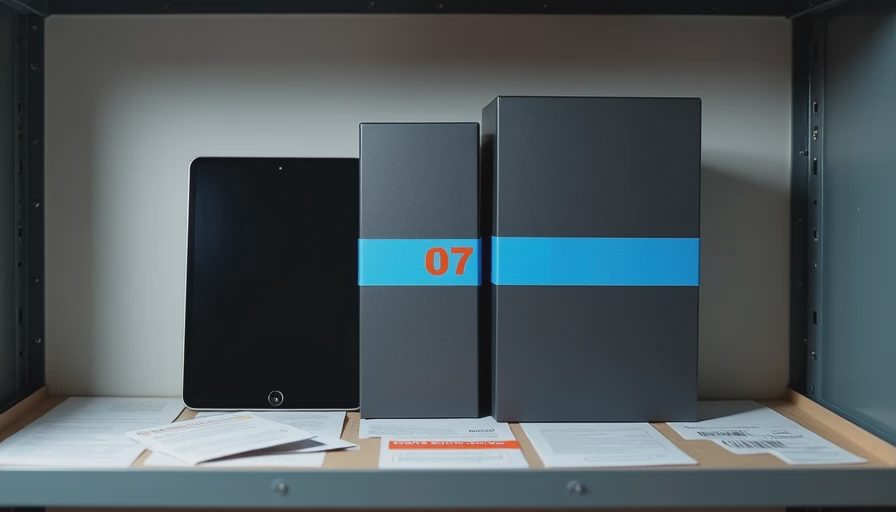
In the back room of every big-box electronics store there’s a shelf that never makes it into the marketing photos. Ours was metal, gray, slightly bent on one corner from the time a pallet jack clipped it. We called it the Return Wall. By the end of any given month it would be stacked two and three deep with tablets that had failed the only test that actually matters: daily life.
I started keeping mental notes. Then actual notes. Then a quiet spreadsheet on my phone when nobody was looking. Patterns showed up fast.
Some tablets came back because the speakers sounded tinny once you actually tried to watch something. Others because the charging port got loose after only a couple of weeks of normal use. A surprising number came back because the person realized they already owned a phone that did 90 percent of the same things and the tablet never found its job. And then there were the ones that simply felt cheap the moment you held them outside the store lighting.
I processed more of those returns than most reviewers have published reviews. That number isn’t a flex. It’s just the reality of standing in the same spot for eight years while the industry kept launching “the next big thing.”
The Day the Pattern Finally Snapped
Two years ago I walked out for the last time. No dramatic speech. Just a quiet exit after a particularly long stretch of explaining to customers why the tablet they wanted was probably going to end up back on that shelf.
I took a few weeks off. Then I started buying tablets myself—with my own money this time. No employee discount. No pressure to push the higher-margin model. Just a regular guy living in the suburbs of Fort Worth with a wife who teaches elementary school, a seven-year-old who treats every device like a crash-test dummy, and a four-year-old who has already discovered that screen protectors are optional.
I put a strip of painter’s tape on every review unit and numbered it. Then I handed the first few to Jonah and let him do what seven-year-olds do. If a tablet survived a week in his hands without developing mysterious dead pixels, sticky buttons, or a sudden inability to hold a charge, it earned the right to be written about. If it didn’t, it went back in the box and the notes got honest.
That’s when I realized the reviews I kept reading online still felt like they were written by people who had never stood on the other side of the return counter. Spec sheets were everywhere. Real talk about what actually lasts was harder to find.
What This Blog Is Actually For
Tablet Truths exists because I got tired of watching good people spend money on devices that were never going to make it past the return window. I’m not here to declare winners and losers based on peak brightness numbers or the latest processor name. I’m here to tell you which ones still feel solid after the new-tablet smell wears off.
You’ll see four kinds of posts around here:
The ones that look at what comes back and why
Straight buying guides that start with how much you actually want to spend
Family and kid tests that involve real children instead of careful adult hands
Long-term check-ins after the honeymoon is over
I’m not going to pretend every tablet is terrible. Plenty of them are genuinely good. But the ones that survive are usually the ones that never needed a marketing campaign to justify their existence. They’re the ones that simply do the job without drama.
The One Thing I Wish Someone Had Told Me Earlier
If you’re standing in a store right now (or scrolling Amazon at 11 p.m.) trying to decide, here’s the only advice I can give you that I know is true: ignore the feature list for thirty seconds and ask yourself what this tablet is actually supposed to do in your life three months from now. If you can’t answer that clearly, the odds of it ending up on someone’s return shelf go up fast.
I’ve watched hundreds of people learn that lesson the expensive way. I’d rather you didn’t.
So welcome. Pull up a chair. The coffee’s not great but the notes are honest. And if a tablet survives the Jonah test and still feels good after a few months of real use, you’ll hear about it here first.
I’ve seen what comes back. Now I’m writing it down so you don’t have to learn the hard way.




No comments yet — be the first to share a thought.