
The Review I Would Write Differently Now
Six months ago I thought I had a clear winner. The tablet arrived with strong specs for the price, a bright screen, solid early performance, and enough positive signals that I felt comfortable telling people it was a smart buy. I used it daily. I noted the usual early strengths. I wrote about it with the kind of measured optimism I try to keep when a device first shows promise.
Then the months kept going and the picture changed.
I’ve seen what comes back. I’ve also seen what stays on my own desk long enough to reveal its real character. This was one of the times the longer view contradicted the early one. I was wrong about how well it would hold up, and the reasons are worth spelling out so the same mistake is harder to repeat.
What Looked Good at the Start
The tablet made a strong first impression. The screen was vibrant and usable outdoors. Day-one battery life was better than average for the category. The software felt clean and responsive. Stylus support, while not class-leading, was good enough for notes and light drawing. At the price it seemed to deliver more capability than most peers.
I ran it through the usual early checks. It survived a week of mixed use without obvious flaws. Jonah gave it a short stress period and nothing critical broke. I let myself believe the fundamentals were solid enough for a longer recommendation.
That belief held for about three months.
Where It Started to Slip
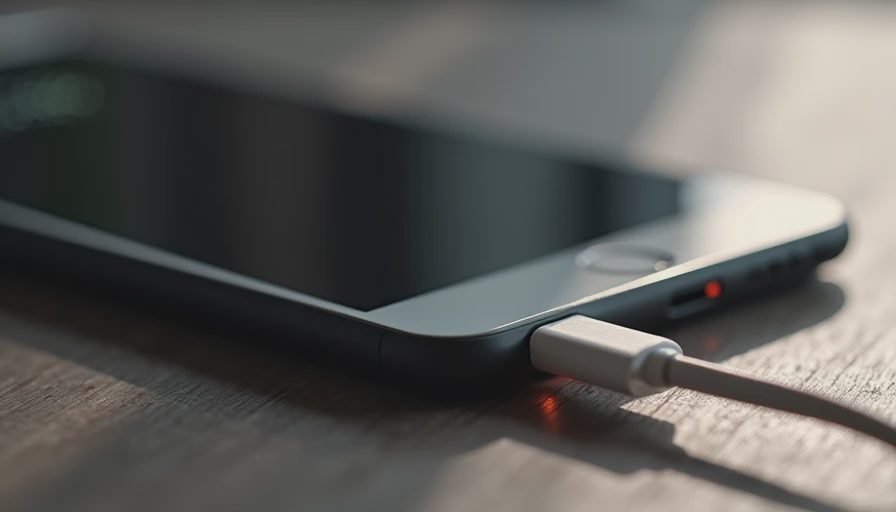
The first cracks were small. Battery life that had felt generous began requiring an earlier top-up. A couple of system updates introduced minor stutters that never fully smoothed out. The charging port, once tight, developed a faint wiggle that made me more careful when plugging in the cable. None of these issues were catastrophic. Together they changed the daily experience from “this is easy” to “this needs a little management.”
By the six-month mark the tablet had become a device I used when it was convenient and avoided when I wanted zero friction. That is the quiet failure mode I have learned to respect. It still powered on. It still completed tasks. It simply stopped feeling like the reliable tool I had originally described.
The Specific Lessons
Several things became clearer after the honeymoon ended.
Launch battery numbers are only a starting point. Chemical aging and software behavior over time matter more than the first full-charge test. This tablet declined faster than the better long-term performers I have tracked.
Software polish is not guaranteed to improve. Some devices receive updates that keep them feeling tight. Others receive updates that add small regressions. This one landed in the second group.
Build details that feel acceptable early can become irritations later. The port wiggle was minor on day thirty and noticeably annoying on day one hundred eighty. The Return Wall had already taught me to watch for exactly this kind of slow degradation. I under-weighted that lesson when the tablet was new.
How I Corrected Course
I stopped recommending the model for anyone who planned to keep a tablet beyond a year. I still note its early strengths when people ask about short-term or tightly budgeted use, but I add the six-month caveat explicitly. Honesty after the fact is more useful than protecting an early review.
I also changed my own testing timeline. Strong first impressions now get a provisional label only. A clearer verdict waits until the device has lived through at least one major software cycle and several months of ordinary charging and handling. That slower pace produces fewer reversals.
Why Public Corrections Matter
It is tempting to let an early positive take stand and simply move on to the next device. I think that helps no one. Readers who bought on the strength of an initial recommendation deserve to hear when the longer experience diverged. The same transparency I try to bring to returns applies to my own misjudgments.
I’ve watched manufacturers quietly shift attention away from last year’s model. Reviewers can fall into a similar pattern—new devices arrive, attention moves on, and the older verdict sits unchanged even as the real-world picture evolves. I don’t want that to be the habit here.
What I Look for Differently Now
The experience sharpened a few checks I already used:
Battery behavior after repeated charge cycles, not just the first week
Port and button feel after months of normal insertion and presses
Software responsiveness after the second or third update cycle
Whether I still reach for the device when a newer one is also available
A tablet that still feels like the easy choice at six months earns a stronger recommendation. One that starts requiring workarounds gets an honest downgrade.
The Current Status of That Tablet
It is no longer my daily driver. It still works for secondary tasks and for testing comparisons, but it has lost the trust that would make me hand it to a friend as a primary recommendation. That outcome is not a disaster. It is useful data.
I’ve seen what comes back. Some of the most valuable education has come from the devices that looked solid early and then revealed their limits. This was one of them. The correction is part of the record now, and the next recommendations will be better for it.
Six months is long enough for a tablet to show its real habits. I plan to keep watching that window closely. The goal is fewer surprises and fewer quiet regrets—for me and for anyone who takes the recommendations seriously.



No comments yet — be the first to share a thought.