
The Shelf That Never Made the Marketing Photos
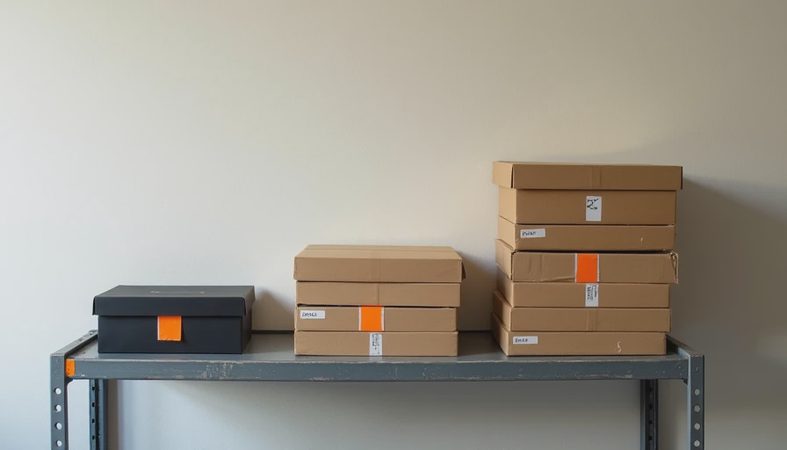
In the back room of the store where I worked, there was a metal shelf that always looked tired. We called it the Return Wall. By the end of a busy month it would be stacked with open boxes, half-peeled labels, and tablets that had failed the only test that mattered: ordinary life.
I stopped counting exact numbers after a while, but the total across eight years easily cleared five hundred tablet returns that I personally handled or logged. Some were dramatic—cracked glass, swollen batteries, ports that no longer worked. Most were quieter. Those quiet ones taught me the most about what “build quality” actually means once the device leaves the bright store lighting.
I’ve seen what comes back. The patterns were consistent enough that I still use them when I evaluate new tablets today.
What Showed Up Most Often
Certain failures appeared far more frequently than others.
Charging ports that loosened after a few months of normal plugging and unplugging were near the top of the list. Buttons that started sticking or feeling mushy came next. Frames that developed creaks or slight flex under ordinary one-handed use showed up regularly. Screens that picked up fine scratches even under supposedly protective coatings were common. A smaller but memorable group arrived with batteries that had begun to swell just enough to make the back panel uneven.
These were not rare lemon cases. They were recurring complaints across multiple brands and price levels. The tablets that avoided these issues for longer periods stood out clearly against the ones that didn’t.
The Difference Between “Feels Premium” and “Stays Solid”
In the store we used to talk about how a tablet felt in the first thirty seconds. Weight, edges, screen sparkle, the satisfying click of a button. That first impression matters for sales. It is a poor predictor of what the device will feel like after six months of real handling.
Some tablets that felt slightly utilitarian at first stayed tight and consistent for years. Others that felt sleek and expensive in the aisle developed the creaks, loose ports, and soft buttons that filled the Return Wall. The gap between initial “premium feel” and long-term structural integrity is one of the biggest lessons those hundreds of returns delivered.
I started paying more attention to how ports were reinforced, how buttons were mounted, and whether the frame had any give when twisted gently. Those details rarely appear in launch coverage. They appear on the Return Wall.
Price Was Not a Reliable Shield
Expensive tablets arrived on that shelf too. A higher price bought better materials in many cases, but it did not guarantee freedom from the same failure points. I logged loose USB-C ports on devices that cost three times as much as the budget models sitting beside them. I saw button problems and early wear on frames that had been marketed as premium alloy constructions.
At the same time, a few cheaper tablets surprised me by simply refusing to develop the usual weaknesses. Their materials were less fancy, but the basic engineering of the ports, buttons, and structural joints held up. Build quality, it turned out, was more about thoughtful design and quality control than about the marketing tier.
What I Look for Now
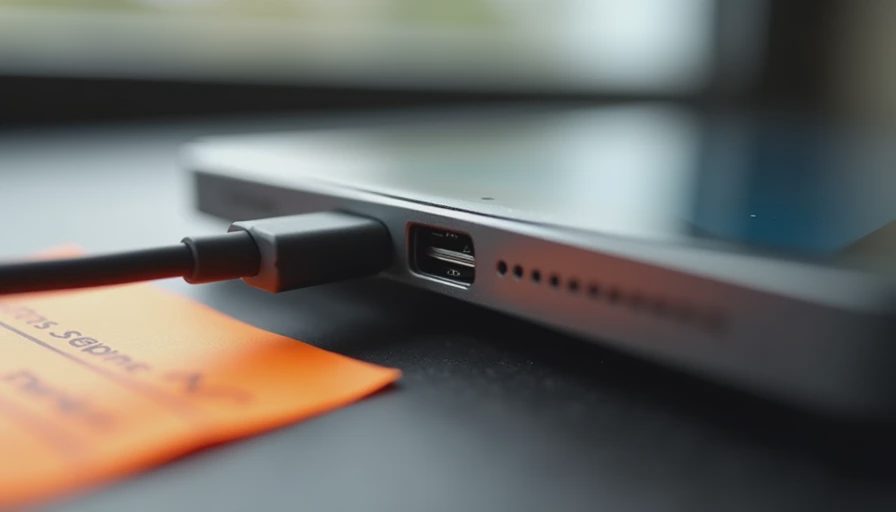
When I pick up a new tablet, I run a short, quiet checklist that came directly from the Return Wall:
Does the charging port feel firmly anchored when I insert and remove a cable with normal pressure?
Do the buttons click cleanly and return with consistent tension?
Is there any flex or creak when I hold the device one-handed and apply light twisting force?
Does the screen coating still feel smooth after a few days of fingerprints and wiping, or does it start to drag?
These are not laboratory tests. They are the same stresses that produced the majority of the non-catastrophic returns I used to process. Tablets that pass them early have a much better chance of staying out of the return stream later.
The Quiet Cost of Weak Build
When a port loosens or a button gets mushy, the tablet does not become unusable overnight. It becomes mildly irritating. People start treating it more carefully, then less often. Eventually many of them decide the irritation is not worth it and the device comes back—or gets replaced earlier than planned.
That slow erosion of confidence is harder to measure than a cracked screen, but it showed up constantly in the reasons customers gave at the counter. “It just doesn’t feel the same.” “The charging is finicky now.” “The button sticks sometimes.” Those sentences were the everyday language of build quality that had fallen short.
Why I Still Trust Certain Patterns
After hundreds of returns, clear patterns emerged about which design choices aged better. Well-reinforced ports. Buttons with clean mechanical travel. Frames that resisted flex. Screen treatments that did not degrade into sticky or rough surfaces after months of skin contact. The tablets that incorporated those choices simply appeared on the Return Wall less often.
I carry those patterns into every recommendation I make now. Spec sheets and first-week reviews still matter. They just matter less than the quiet evidence of what survives real handling and what ends up stacked on a metal shelf in a back room.
I’ve seen what comes back. The Return Wall was the most honest product-testing lab I ever worked in. The tablets that stayed off it the longest were rarely the ones that shouted the loudest at launch. They were the ones whose basic construction simply refused to become a daily annoyance. That is still the standard I use.




No comments yet — be the first to share a thought.