
The Tablet That Never Left
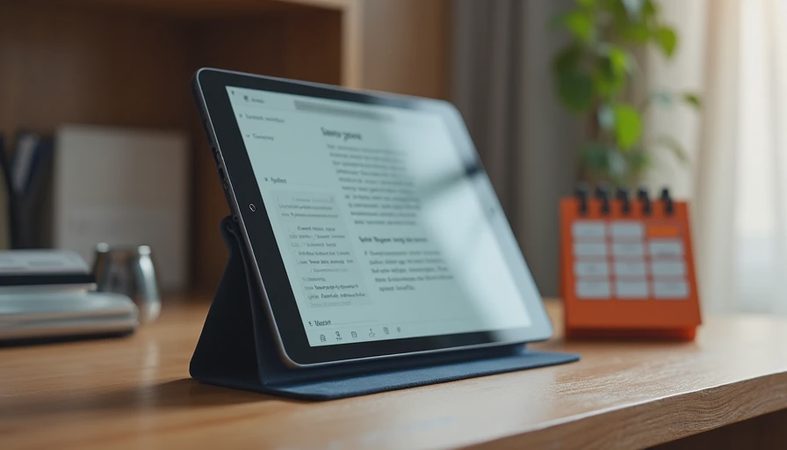
Most review units cycle through my house and eventually leave. Some go back to the manufacturer. Some get sold. A few end up as hand-me-downs for the kids. But one tablet has stayed on my desk for three full years now, and I still reach for it without thinking.
It’s not the newest model. It’s not the most powerful. It doesn’t have a fancy refresh rate or the latest processor name. It just kept working in a way that made replacing it feel unnecessary.
I’ve seen what comes back. I’ve also seen what quietly stays. This is a story about the second category.
How It Earned Its Spot
I originally bought this tablet (a mid-range Android model that was already a generation old when I got it) as a backup note-taking and reading device. It wasn’t meant to be a long-term keeper. It was supposed to fill a gap while I tested newer machines.
Then the newer machines came and went. Some were faster. Some had prettier screens. A few had better cameras. None of them made me want to put this one away for good.
Three years later it still turns on instantly. The battery still gets me through a full day of mixed reading, light browsing, and note-taking. The screen has a couple of minor scuffs but no dead pixels. The software, while not the absolute latest, remains stable and responsive for the things I actually do with it.
That combination is rarer than most launch-day reviews admit.
What Actually Ages Well
After watching dozens of tablets move through the house, I’ve learned that long-term satisfaction rarely comes from the features that dominate the first reviews.
Battery chemistry matters more than peak brightness numbers. A device that still holds 80 percent of its original capacity after three years is more useful than one that was dazzling for six months and then started needing a charger by mid-afternoon.
Software support matters more than launch-day speed. A tablet that continues to receive security updates and keeps its core apps running smoothly will outlast a faster machine that gets abandoned by its maker.
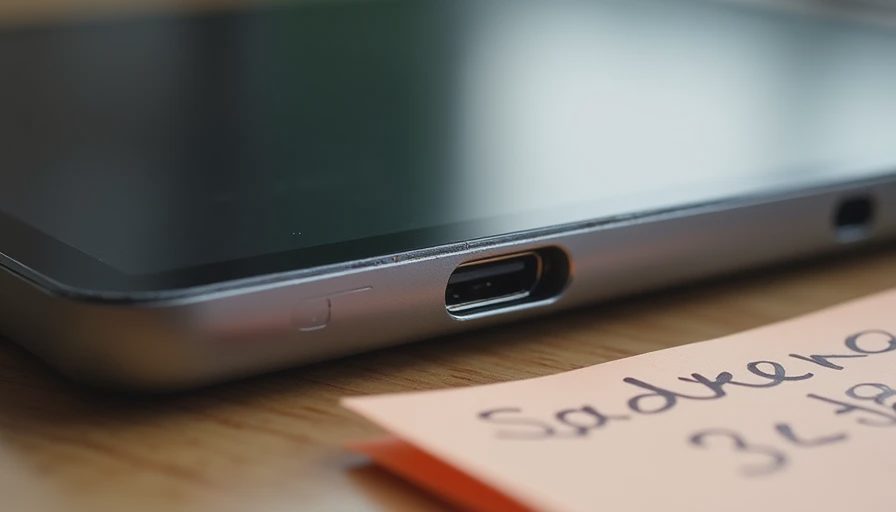
Build quality shows up later. Ports that still feel tight, buttons that still click cleanly, and a frame that never developed a creak are the kinds of details you only notice when other devices start failing them.
This tablet got those fundamentals right. It was never the most exciting device in the room. It was simply the one that refused to become annoying.
The Quiet Daily Reality
Most days this tablet does unremarkable things. I read articles on it in the evening. I keep a running note file for blog ideas. Sometimes Jonah borrows it for a video when his own device is charging. Occasionally I use it in the kitchen for recipes because the screen is easy to read from a short distance and I don’t worry about splashing it.
None of those jobs require cutting-edge hardware. They just require a device that still feels pleasant to pick up. When a tablet starts feeling like a chore—slow launches, constant charging, software that fights you—you stop reaching for it. This one never crossed that line.
I’ve owned newer tablets that spent more time on the charger than this one does. I’ve owned more expensive ones that developed small but irritating quirks within the first year. The longer I kept using this older machine, the clearer it became that “new” and “better for daily life” are not always the same thing.
When I Almost Replaced It
There were moments. A newer model with a noticeably better screen came through for review and I thought about making the switch. Another arrived with much faster storage and I briefly considered it. Each time I went back to the old tablet afterward and realized I wasn’t missing anything that actually changed my day.
The only real temptation came when the battery finally started showing its age around the two-and-a-half-year mark. Even then, a simple recalibration and more mindful charging habits bought it another stretch of useful life. I’m not suggesting everyone should push a battery that far. I’m only noting that the decline was gradual and manageable rather than sudden and frustrating.
What This Tablet Taught Me About Buying
The biggest lesson is simple: the tablets that last are usually the ones that were already good at the basics when they launched. Chasing the newest features often means buying the first year of a new design language or a new software experiment. Sometimes those experiments work out. Sometimes they leave you with a device that ages awkwardly.
This one was a known quantity. Solid screen. Decent speakers. Reliable software support at the time. No gimmicks that later became liabilities. That boring competence is exactly why it’s still here.
I still test newer tablets. I still recommend newer tablets when they earn it. But I no longer assume that a higher model number automatically means a better long-term companion. Three years with the same device has a way of clarifying what actually matters.
The Current Status
As of today the tablet is still in daily rotation. The battery is no longer excellent, but it’s still acceptable for my use. The software receives occasional updates. The hardware shows honest wear but no functional damage. I keep a newer device around for heavier tasks, yet this one remains the default for reading and light work.
I don’t know how much longer it will stay. Nothing lasts forever. What I do know is that it has already outlasted several machines that were supposed to be upgrades, and it did so without drama.
I’ve seen what comes back. This is one of the few that simply never needed to.
If you’re buying a tablet with the hope of keeping it more than two years, look past the launch features and ask how well the fundamentals are likely to hold up. The answer to that question is usually more valuable than any review score.
No comments yet — be the first to share a thought.