Android tablets cover everything from $60 kids' devices to $1,500 productivity machines, and that range is exactly why shopping gets frustrating. The listing pages emphasize screen resolution, processor names, and storage numbers. Those details matter, but they do not tell you whether the tablet will still feel pleasant after two weeks. After eight years selling tablets in a big-box electronics department, I learned to watch what came back. Android tablets were often returned for the same practical reasons: sluggish menus, weak battery life, confusing software, or a screen that looked fine under store lighting but felt cramped on the couch.
My goal here is not to crown one brand. It is to help you match the device to the person using it, so you spend money on improvements you will notice instead of specifications you will never use.
Start with the job, not the brand
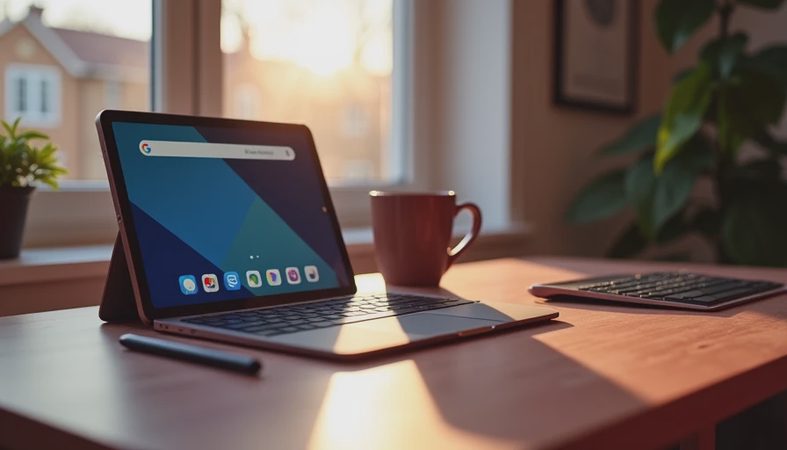
A tablet for watching Netflix in bed has a very different requirement from a tablet used for handwritten notes, video calls, or digital illustration. For streaming and web browsing, a bright 10- to 11-inch display, reliable Wi-Fi, and at least 4GB of RAM usually create a comfortable experience. A student who keeps Chrome, Google Docs, a PDF, and a video call open should look closer to 6GB or 8GB of RAM.
Samsung Galaxy Tab models are the safest broad recommendation when you want a polished screen, useful multitasking, and a recognizable support ecosystem. Lenovo often offers attractive displays and reasonable prices, though its budget models can feel less responsive. Amazon Fire tablets cost less and work well for basic video, reading, and children's entertainment, but Fire OS is not the same as standard Android and does not provide every Google Play app.
The best Android tablets are not necessarily the fastest ones. They are the models that make the daily routine easy. If the device is mainly a remote control for YouTube, buying a premium processor is wasted money. If it replaces a laptop for several hours each day, saving $100 at checkout can become an annoyance every afternoon.
What I check before recommending one
I start with wake-up speed. A good tablet should unlock promptly, open common apps without long pauses, and switch between recent apps without constantly refreshing them. On a store demo, open a browser, YouTube, a photo app, and a note-taking app. Move between them several times. That simple test exposes weak memory management faster than a benchmark score.
Next, I inspect the screen at an angle and at low brightness. Cheap panels can look vivid in a showroom while showing uneven brightness or gray blacks at home. For reading, sharp text and comfortable brightness matter more than a headline resolution number. Speakers deserve a quick test too. Two small speakers on the bottom edge can sound thin when the tablet is held sideways, while a four-speaker layout is usually better for movies and video calls.
Storage is another frequent return reason. A 64GB model may leave much less usable space after system files and preinstalled apps. That can work for a light user, but games, downloaded shows, photos, and school files fill it quickly. Expandable microSD storage helps with media, although apps do not always run perfectly from a card.

Battery claims also need a reality check. Manufacturers typically measure video playback under controlled conditions, not a mix of bright browsing, Bluetooth accessories, gaming, and video calls. I prefer a tablet that lasts through several evenings of ordinary use over one that advertises a dramatic number under ideal conditions.
The price ranges that make sense
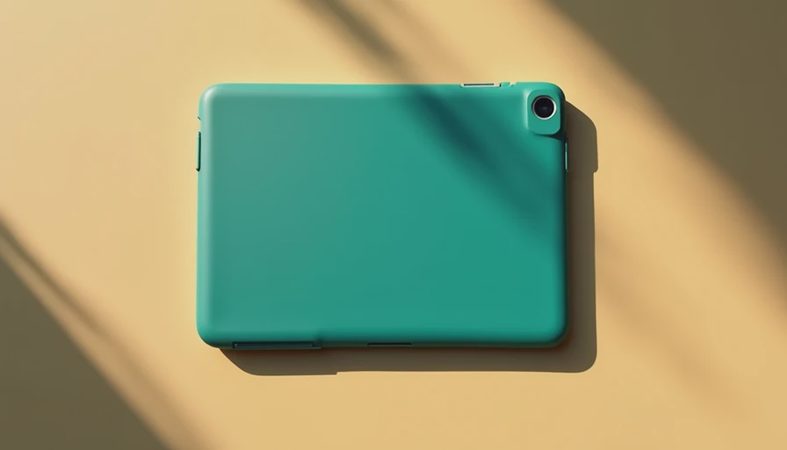
Under $150, Android tablets are best treated as focused appliances. They can handle children's shows, recipes, ebooks, music, and occasional browsing, but you should expect slower app launches and shorter software support. Amazon Fire models often live here, and a basic Samsung Galaxy Tab A model sometimes approaches this range during a sale. Add a sturdy case before handing one to a child; a $25 case is cheaper than replacing a cracked screen.
From $200 to $400 is the practical sweet spot for many households. This is where you can find a good 10- or 11-inch display, 128GB of storage, acceptable speakers, and enough memory for normal multitasking. Samsung's midrange Galaxy Tab S6 Lite and newer A-series options often appeal to students and families, while Lenovo's M-series can be a strong value when discounted. These Android tablets generally feel more balanced than bargain models without charging you for professional performance.
At $500 and above, ask what you are gaining. Samsung's Galaxy Tab S9 and S9 FE families, for example, can make sense for artists, note-takers, and users who want better displays or included pen support. But premium Android tablets still do not automatically replace a laptop. Desktop software, file management, and keyboard comfort may remain limiting factors.
Software support matters more than people think
A tablet can have excellent hardware and still become irritating when updates arrive slowly or the interface is cluttered. Before buying, find the manufacturer's stated policy for operating system and security updates. Policies differ by model and region, so do not assume that two devices from the same company receive identical support.
Samsung's software includes useful features such as split-screen multitasking and, on selected models, DeX-style desktop controls. Those tools are genuinely helpful when writing an email while checking a document. They also add menus and settings that can overwhelm someone who simply wants to watch shows. Lenovo's interface is often closer to familiar Android, though features vary by device. Fire OS is simpler for Amazon households but less flexible if Google services are central to your routine.
This is where Android tablets differ from phones in a way buyers notice late. A phone is often replaced every two or three years. A tablet may sit on a kitchen counter or nightstand for much longer. Choose a current model from a brand with a clear update record rather than an old flagship at a suspiciously low price.

Match the tablet to the person using it
For a child, durability and parental controls beat a gorgeous display. Look for a thick case, a simple profile system, and an easy way to limit purchases and screen time. For a senior, prioritize large text, loud speakers, dependable video calls, and uncomplicated charging. A heavy premium tablet can be a poor gift if it is tiring to hold.
For a student, check whether the pen is included or costs another $50 to $100. Palm rejection, a comfortable note app, and enough storage for downloaded readings matter more than a high-refresh-rate screen. For an artist, pressure-sensitive pen support and color accuracy justify spending more. For a commuter, weight, cellular availability, and battery life may matter more than raw speed.
I use a simple household test: can the intended user explain how to unlock it, find the main app, adjust volume, and charge it without help? If not, the device may be impressive but poorly matched. My seven-year-old son Jonah gets a full week with every family recommendation because a tablet that survives adult handling can still fail the real-world kid test.
A smarter buying and return plan
Before checkout, write down the three tasks the tablet must perform and the one compromise you can tolerate. Compare total cost, including a case, keyboard, pen, microSD card, or extended warranty. Read recent owner comments for recurring complaints rather than isolated dead-on-arrival reports. Pay attention to words such as “slow after updates,” “charging port,” and “screen glare.”
When the tablet arrives, test it during the return window. Set up the actual accounts, stream video for an hour, type a long message, make a video call, try the intended games, and hold it in the position you will use most. Check Wi-Fi in the rooms where it will live. If the first week already includes lag, awkward charging, or uncomfortable weight, a better specification sheet will not rescue the purchase.
The right choice is often a capable midrange model bought on sale, not the cheapest listing or the most expensive flagship. Android tablets can be excellent value when the screen, software, storage, and support fit your routine. I have seen what comes back, and the returns are usually caused by mismatched expectations, not by a lack of benchmark speed.


No comments yet — be the first to share a thought.